Sacred Waters of Ireland: Tours to the Holy Wells
Across the emerald landscape of Ireland, hidden in valleys, tucked behind ancient churches, and nestled along moss-covered forest paths, lie some of the island’s most enchanting spiritual sites. Ireland’s holy wells.
For thousands of years, these secluded springs have been places of pilgrimage, healing, prayer, and intimate connection to nature.
Today, many travellers rekindle their connection with the divine and ancient wisdom.
Irish Holy wells and springs
Seeking out these sacred wells, not only for their history, but for the peace and blessings they offer.
A tour of the holy wells is one of the most profound journeys you can take. You can book your tour to visit some of the unique sites of Ireland.
What Makes Ireland’s Holy Wells so Special
Holy wells hold a unique place in Irish culture. Long before Christianity, many wells were dedicated to Celtic goddesses such as Brigid, Danu, or Áine—deities connected to healing, fertility, fire, poetry, and the life-giving power of water. Over time, these sites became entwined with Christian saints, transforming into places of blessing and devotion.
Visitors often describe an unmistakable atmosphere at these wells:
- A deep stillness in a scerene untouched setting
- A feeling of being held and belonging
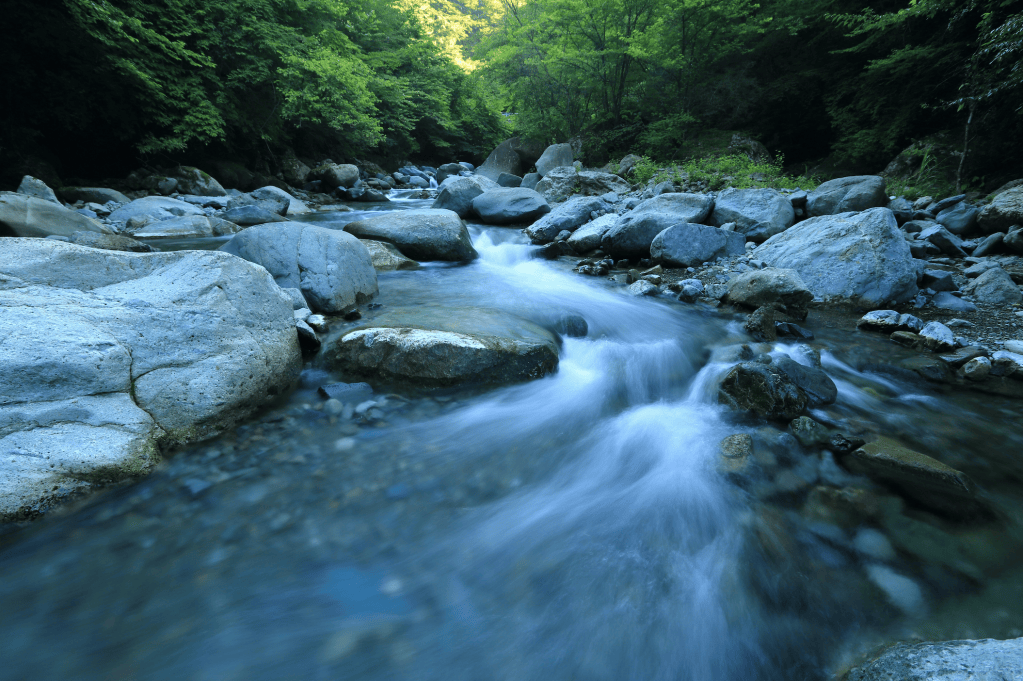
- Water that feels alive, pure, and timeless
- The sense of something ancient, standing in a place where thousands sought solace before you
Every well has its own personality—some bright and bubbling, others dark and reflective, all of them steeped in mythology, folklore, and local tradition.
Book a Tour
If you feel called to walk ancient paths, honour sacred waters, and immerse yourself in Ireland’s spiritual soul, get in touch, and we can organise your Holy Well visit.
Here, water is not just a resource.
She is the memory of ancient knowledge.
She is a prayer and a healer.
She is a blessing.
She is Ireland’s bubbling, wise, radiant heartbeat.
What You’ll Experience on Your Visit
1. Walk Ancient Pilgrim Paths
Many wells are reached by trails that have been walked for centuries. You’ll follow in the steps of saints, monks, healers, and villagers who journeyed to these springs in times of need.
2. Taste and Bless Yourself with the Water
Traditionally, pilgrims drank from the well, washed their hands or face, or filled a small bottle to bring home. While practices vary by site, the ritual remains deeply meaningful.
3. Learn the Stories Behind Each Well
Every well has its own legends—from miraculous cures to visions, local saints, and mythic guardians of the land. Guided tours bring these stories to life.
4. Participate in ancient rituals
- Tie a ribbon or cloth to a nearby tree (a “clootie”)
- Walk the pattern or “prayer route” around the well
- Light a candle
- Say a prayer, set an intention, or simply be still
- Leave a small offering of gratitude
All rituals are optional, gentle, and respectful of local tradition.
5. Visit Monastic Sites and Stone Ruins
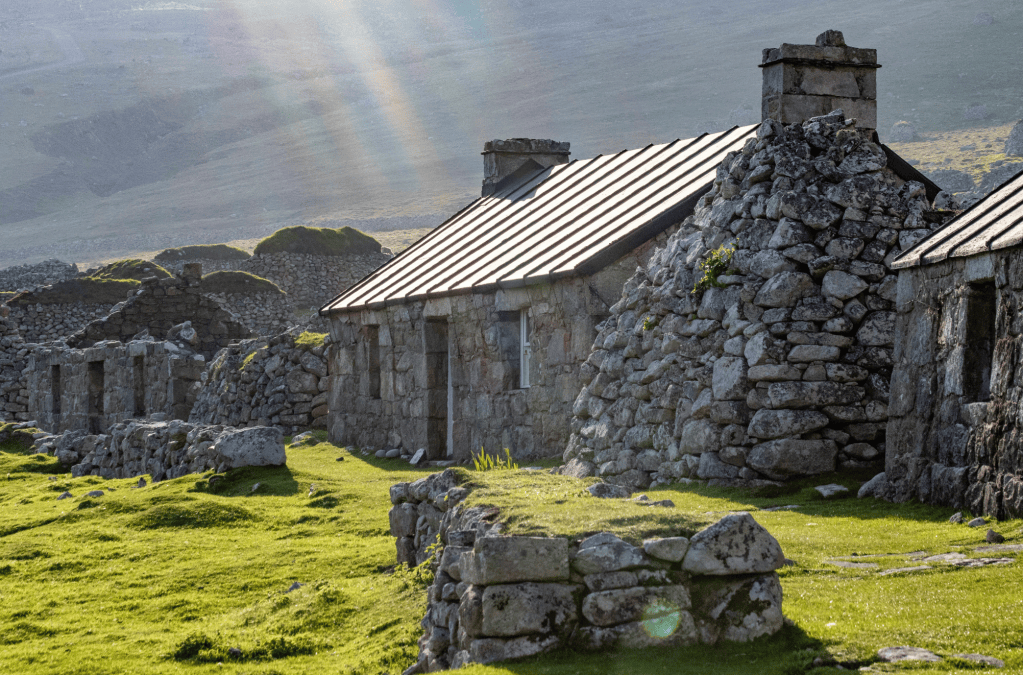
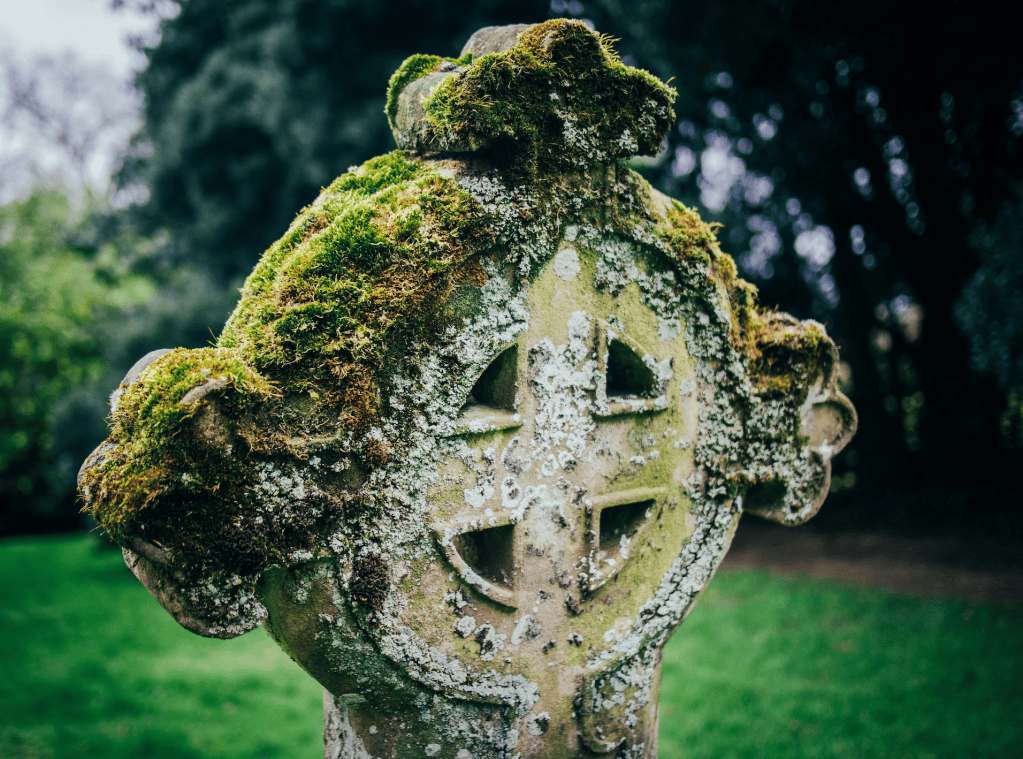
Many holy wells sit beside ruined chapels, ogham stones, Celtic crosses, or early-Christian hermitages—adding layers of history and mystery to the landscape.
Significant Holy Wells of Ireland
Holy Wells are numerous across Ireland. Some are more popular then others, some are still in use while others have fallen into disrepair.
St. Brigid’s Well — Kildare
One of Ireland’s most famous sacred springs, dedicated to Brigid, the ancient goddess-saint of fire and healing. Visitors come seeking protection, inspiration, and blessings.
Tobar na Súl — The Well of the Eyes, County Clare
Long believed to cure eye ailments, this well is surrounded by lush trees and offers a peaceful ritual walk around its stone perimeter.
St. Patrick’s Wells — Various Locations
Associated with the patron saint of Ireland, these wells are often tied to stories of miracles, baptisms, and ancient conversions.
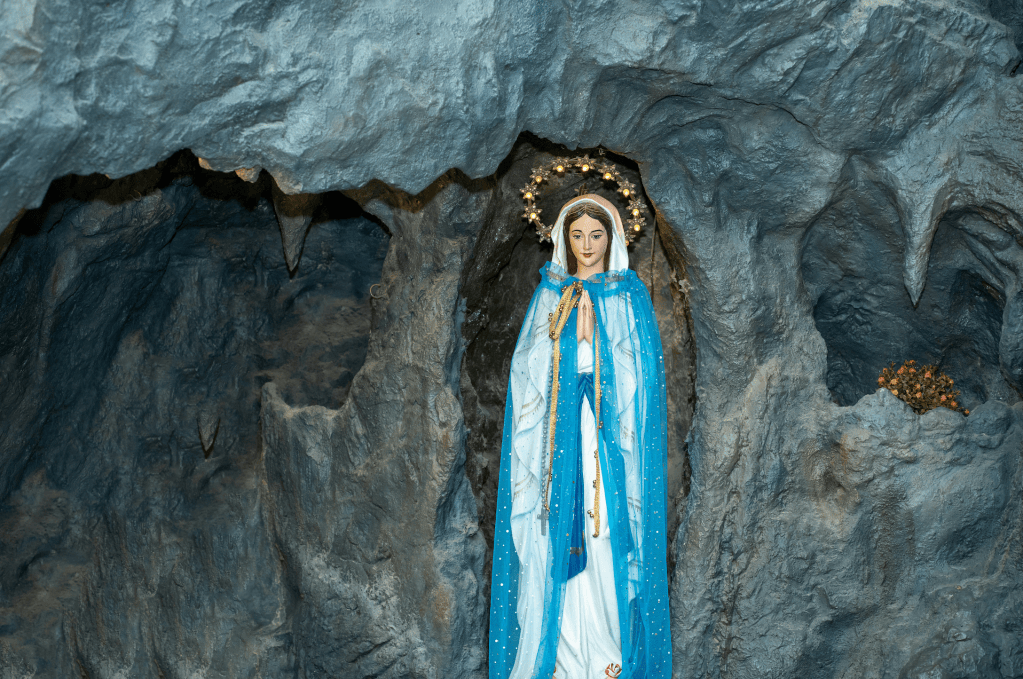
Lady’s Well, Cork
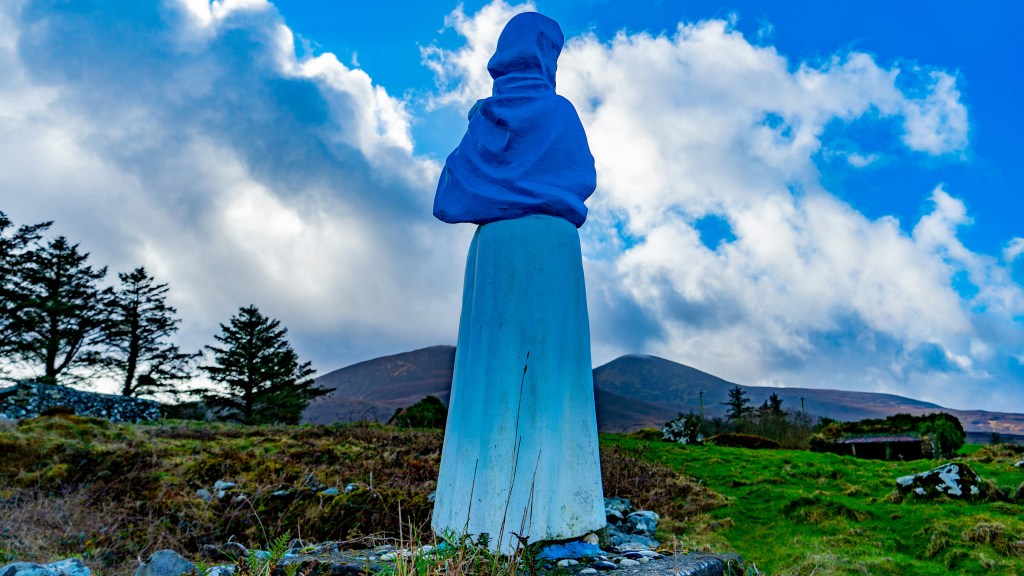
A beautiful Marian shrine surrounded by candles, offerings, and quiet devotion—a living example of Ireland’s deep spiritual heritage.
The Holy Well of Liscannor — Clare
Known for healing and pilgrimage, this powerful site near the Cliffs of Moher draws travellers seeking renewal and protection.
Why People Join Holy Well Tours
Travelling to Ireland’s holy wells is not simply sightseeing. It is an inner journey. People join these tours for many reasons:
- Healing, rest, or reflection
- Connection to ancestry or Celtic roots
- Interest in mythology, saints, and folklore
- A desire to step out of the noise of everyday life
- Water blessings, rituals and personal prayers
- Spiritual curiosity
- Photography and nature appreciation
Many describe these tours as “quietly life-changing.”
St. Brigid’s Day & Pattern Days
Some wells have annual “pattern days”—traditional gatherings with music, offerings, and processions.
Book a Visit
Spaces are intentionally limited to keep the experience intimate, immersive, and deeply personal.
Join us as we trace the footsteps of saints, healers, goddesses, and pilgrims who walked these paths long before us.
We will feel the stillness of sacred water and listen to the land’s old stories. Ireland is unlike anywhere else in the world; here, rocks and water remember ancient ways.
Preparing for Your Holy Well Journey
- Wear comfortable shoes and layers
- Bring an offering (a ribbon, flower, or small token)
- Carry a small bottle if you intend to take water (where permitted)
- Be mindful and respectful—these sites are still sacred to locals
- Take your time; wells are best visited in quiet presence
If you’re drawn to the quiet magic of flowing water, to ancient stories whispered through stone and moss, or to places where the sacred feels near, a tour of Ireland’s holy wells offers a journey unlike any other.
Best Time to Visit
Spring & Summer (April–August)
The landscape is vibrant, mild, and easy to explore. Brigid’s Day (February 1st) and Lughnasadh (August 1st) are especially meaningful times.
Autumn (September–October)
Fewer crowds, beautiful colours, and a contemplative atmosphere.